Projects

Recent work

Fungal Microclimate Regulator

ESP32-Based IoT System for Environmental Control

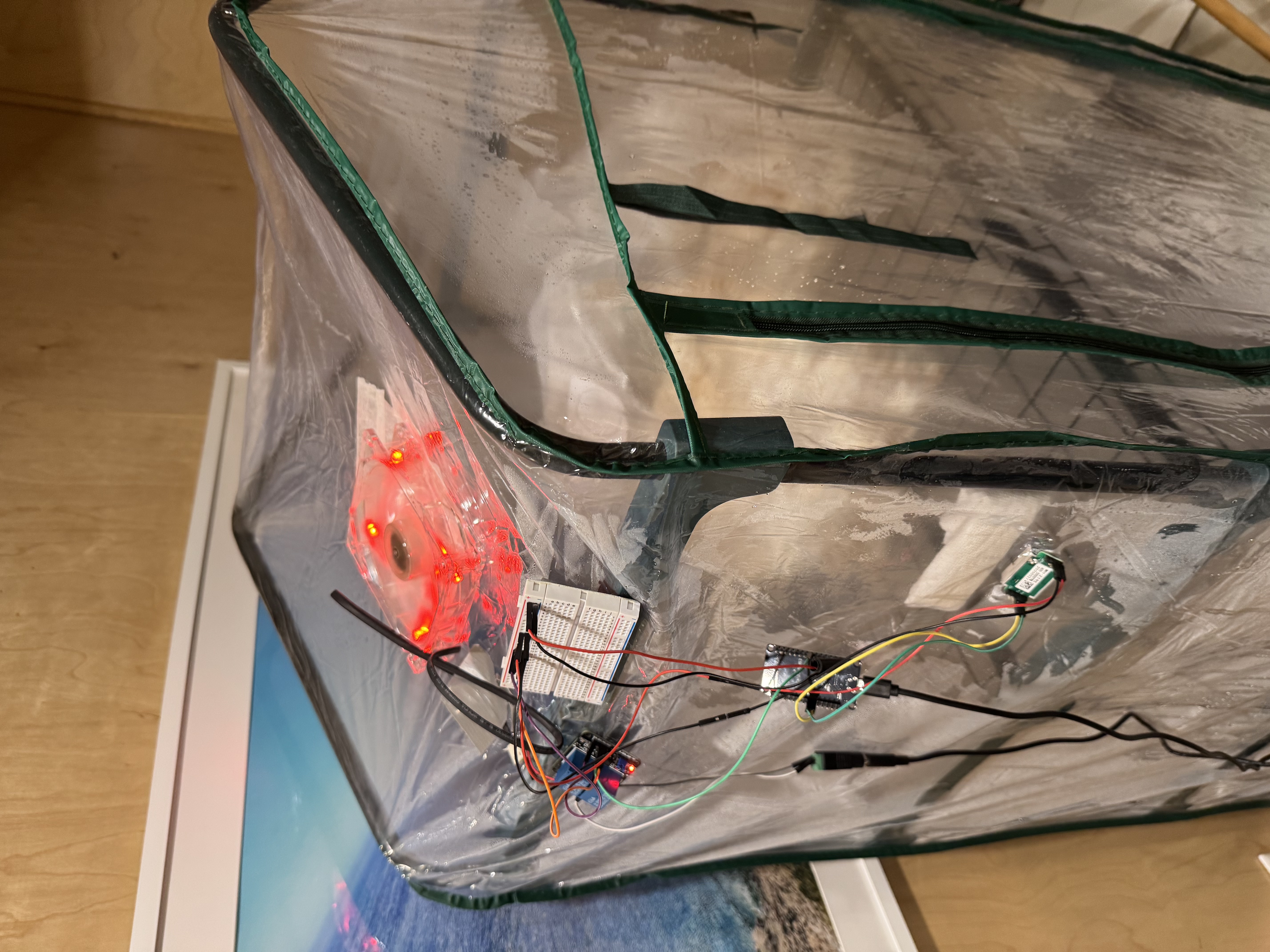
Built an ESP32-based control system integrating sensors with MOSFET drivers for real-time temperature, humidity, and CO₂ regulation. Designed specifically for Lion's Mane and King Oyster mushrooms, it dynamically controls airflow based on real-time sensor data.

ESP32-based IoT system mounted on a transparent mushroom grow tent with breadboard, circuit boards, and red-glowing fan
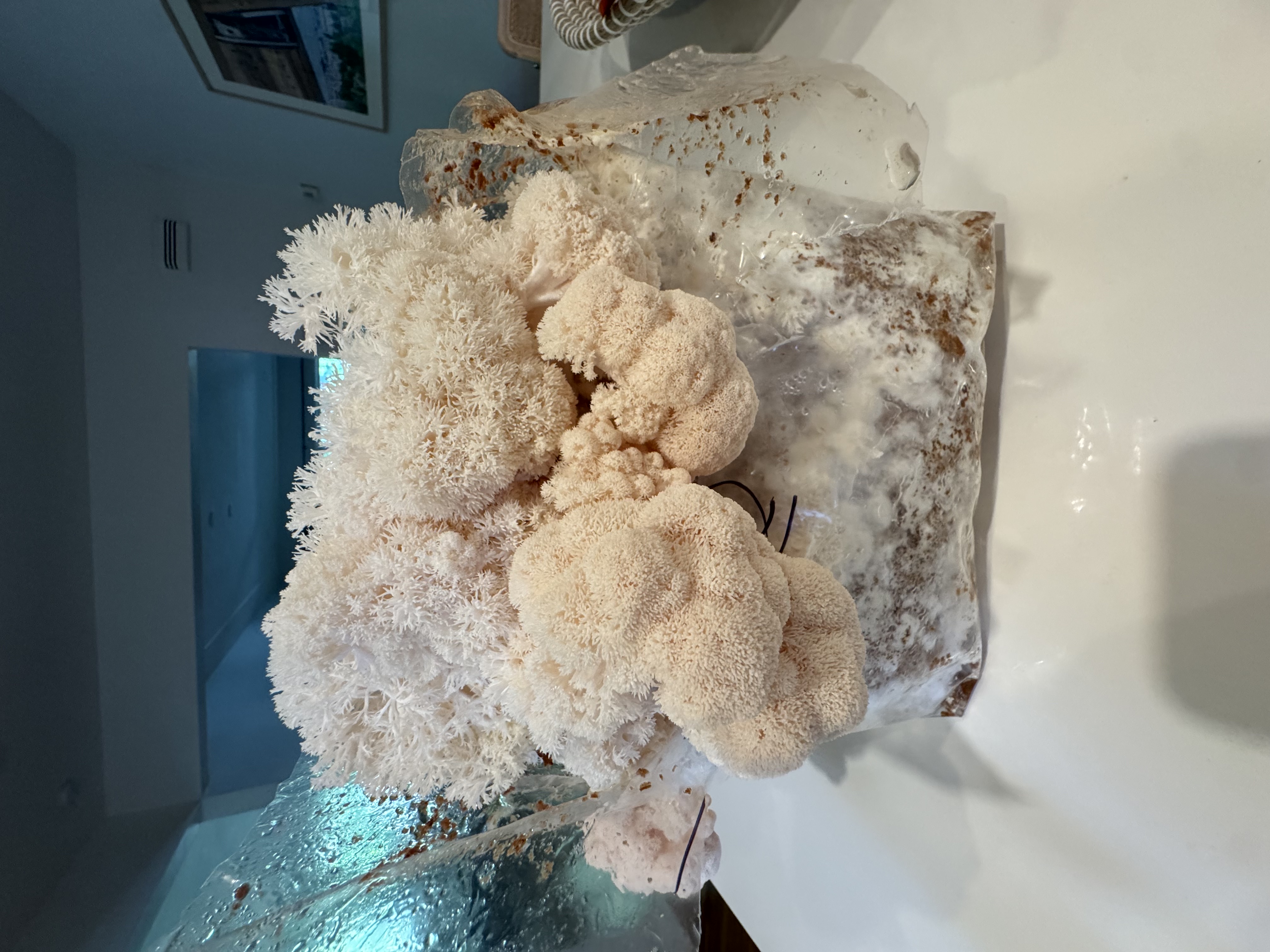
Large cluster of Lion's Mane mushrooms growing from a cultivation bag

Key Features

  • ESP32 Microcontroller — Low-power Wi-Fi and Bluetooth-enabled chip for wireless telemetry and real-time control.
  • C/C++ Firmware Development — Programmed real-time sensor polling, PID humidity loops, and OLED status display.
  • MOSFET Driver Integration — Integrated sensors with MOSFET drivers for precise environmental control.
  • OLED Display Output — Real-time feedback provided via a 0.96" I²C OLED screen.
  • Relay-Controlled Exhaust Fan — Automated fan logic based on CO₂ levels (configurable thresholds for different mushroom species).
  • ThingSpeak Telemetry — Implemented telemetry and GitHub Pages dashboard for remote sensor monitoring and visualization.
  • Web Dashboard with GitHub Pages — Live-updating web interface hosting data visualizations, branding, and project visuals.

Technical Highlights

  • Embedded Systems Programming (C++ / Arduino)
  • Internet of Things (IoT) architecture
  • Real-time sensor communication via I²C and UART
  • Cloud API integration (ThingSpeak)
  • GitHub Pages static site deployment
  • Breadboard prototyping + serial debugging
  • Power management between 3.3V and 5V rails

CO₂ Thresholds

  • Lion's Mane: 800–1500 PPM
  • King Oyster: 600–800 PPM

Fan logic was tuned to maintain these ranges by activating airflow as needed.

Live Dashboard: View Real-Time Data

Source Code: GitHub Repository

Automatic Door Monitor

ECE 2300 Course Project

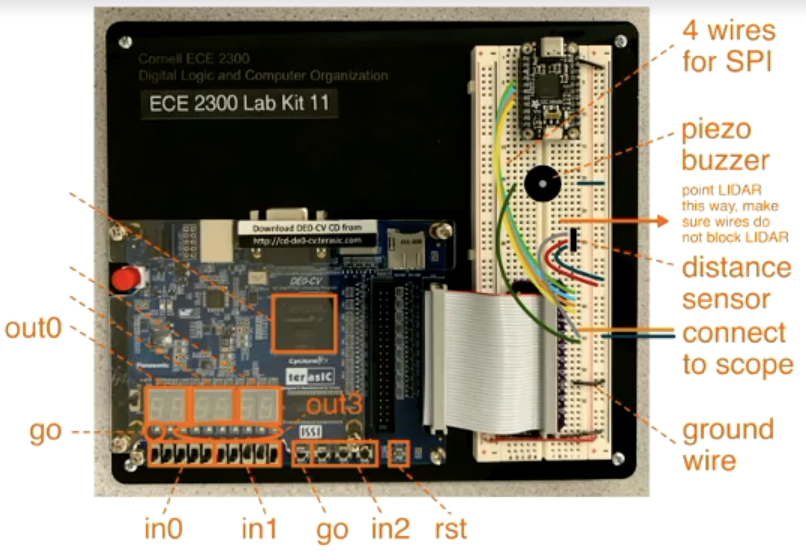
Developed an automatic door monitoring system using a Cyclone V DE0-CV FPGA implementing a TinyRV1 single-cycle RISC-V processor. The system uses a LIDAR distance sensor and piezo buzzer to detect motion, triggering alerts when objects are detected within range. The project involved writing 60+ lines of assembly code to interface with sensors and control the audio output.

ECE 2300 Lab Kit 11 with Cyclone V DE0-CV FPGA development board, breadboard, LIDAR sensor, and piezo buzzer

Key Features

  • Single-Cycle RISC Processor — Implemented a TinyRV1 single-cycle RISC processor RTL in Verilog with full datapath and instruction control logic
  • RISC-V Instruction Support — Supported 8 TinyRV1 instructions with variable instruction formats across a complete single-cycle datapath
  • LIDAR Motion Detection — Integrated LIDAR distance sensor to detect motion and objects in the sensor's range
  • Piezo Buzzer Alerts — Implemented audio feedback via piezo buzzer triggered by motion detection events
  • Assembly Programming — Developed 60+ lines of assembly code to interface with sensors and control system behavior
  • Verilog Testbenches — Developed directed and randomized Verilog testbenches and refined RTL through iterative datapath/control debugging

Technical Highlights

  • FPGA development (Cyclone V DE0-CV)
  • RISC-V ISA (TinyRV1) processor design
  • Verilog RTL design and synthesis
  • Quartus Prime toolchain
  • Assembly language programming
  • Sensor integration (LIDAR distance sensor)
  • Hardware debugging and timing analysis
  • Critical-path validation

Processor Implementation Details

  • Synthesized and deployed TinyRV1 RTL in Quartus on Cyclone V DE0-CV, validating timing by critical-path analysis
  • Complete datapath implementation with instruction fetch, decode, execute, memory access, and writeback stages
  • Full instruction control logic supporting arithmetic, logical, memory, and branch operations

Body Heat Harvesting for Medical Wearables

ZT Group Research - Thermoelectric Generator Development

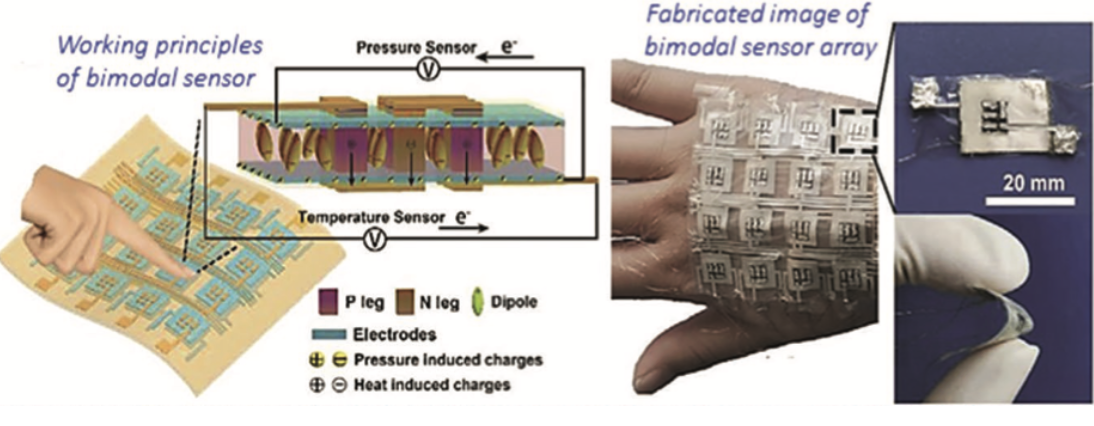
Undergraduate research project focused on developing thermoelectric generator (TEG) circuits that harvest body heat to power wearable medical devices. Working with organic thermoelectric device prototypes to characterize power output across variable thermal gradients.

ZT Group research project showing bimodal sensor working principles and fabricated sensor array

Research Components

  • PCB Design in Altium — Created PCB layouts for TEG measurement and data logging, enabling validation of efficiency and stability under load
  • Thermoelectric Characterization — Characterized organic thermoelectric device prototypes, measuring power output across variable thermal gradients
  • TEG Circuit Development — Developed thermoelectric generator circuits harvesting body heat to power wearable medical devices
  • Data Logging Systems — Implemented comprehensive data logging for efficiency and stability validation

Technical Skills

  • Altium PCB design and layout
  • Thermoelectric device characterization
  • Power electronics and energy harvesting
  • Medical device prototyping

Research Group: ZT Group - Nano Heat Energy

CUSail Autonomous Sailboat

Electrical Systems Lead - Cornell University

Leading embedded system development for autonomous sailboat navigation, integrating GPS, IMU, anemometer, and sail/rudder servos into the compute stack. Designed and programmed a custom PCB in KiCAD consolidating buck converters, Teensy microcontroller, and servo routing.

CUSail autonomous sailboat with mast, rigging, and team members

Technical Leadership

  • Custom PCB Design — Designed and programmed a custom PCB in KiCAD consolidating buck converters, Teensy microcontroller, and servo routing, significantly improving reliability and simplifying debugging
  • Embedded System Integration — Led embedded system development for autonomous sailboat navigation, integrating GPS, IMU, anemometer, and sail/rudder servos into the compute stack
  • System Reliability — Significantly improved system reliability and simplified debugging through custom PCB design

Technical Skills

  • KiCAD PCB design and layout
  • Embedded systems programming
  • Sensor integration (GPS, IMU, anemometer)
  • Servo control systems
  • Teensy microcontroller programming

Team Website: CUSail - Cornell Autonomous Sailboat Project

Fall 2025 Report: View PDF

Source Code: GitHub Repository

Ghost Social

AI-Powered Event Matchmaking Platform

Worked with Ghost Social, a startup that creates genuine human connections through AI-powered event matchmaking. The platform uses conversational voice intake and advanced matching algorithms to curate meaningful connections at events and gatherings.

Ghost Social logo

Technical Contributions

  • Automated WhatsApp AI Agent — Designed and deployed an automated match-delivery WhatsApp AI agent using AWS Bedrock + Twilio, increasing delivery reliability and engagement
  • GraphRAG Backend Architecture — Implemented GraphRAG backend architecture integrating Pinecone + Neo4j to improve match accuracy and relationship reasoning across profiles
  • AI System Enhancement — Worked with cutting-edge matching engine technology to improve compatibility predictions

Business Development & Marketing

  • Strategic Partnerships — Forged partnerships with local startups and community organizations
  • Sponsorship Acquisition — Secured sponsorships and comarketing agreements
  • Brand Visibility — Boosted brand visibility through strategic collaborations
  • Digital Marketing — Implemented data-driven marketing strategies and analytics

Platform Features

  • 7-minute conversational voice intake for rich user profiling
  • AI-powered matching engine for compatibility prediction
  • Private profiles with no public directories
  • Customizable match delivery and communication

Website: Ghost Social Platform

JSK Research Project

Nonprofit collaboration and Python data analysis

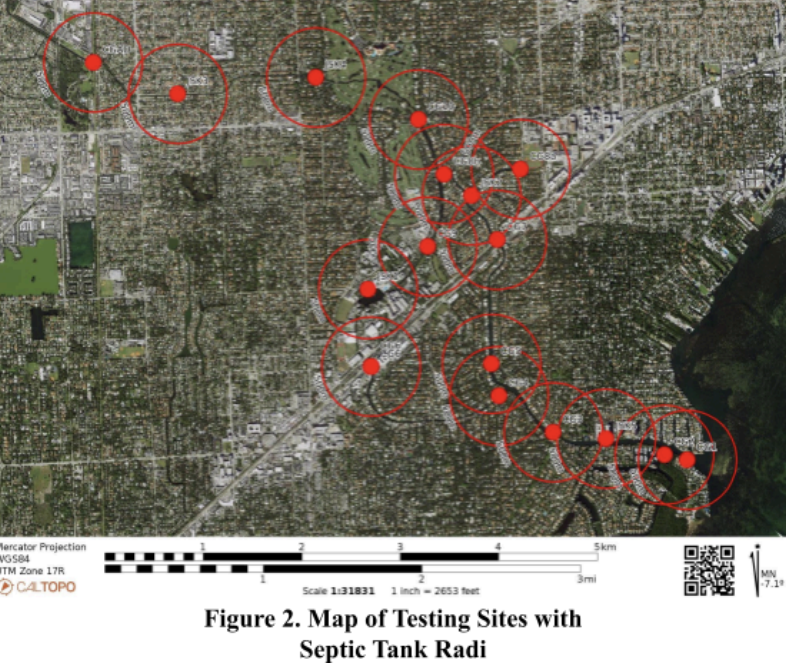
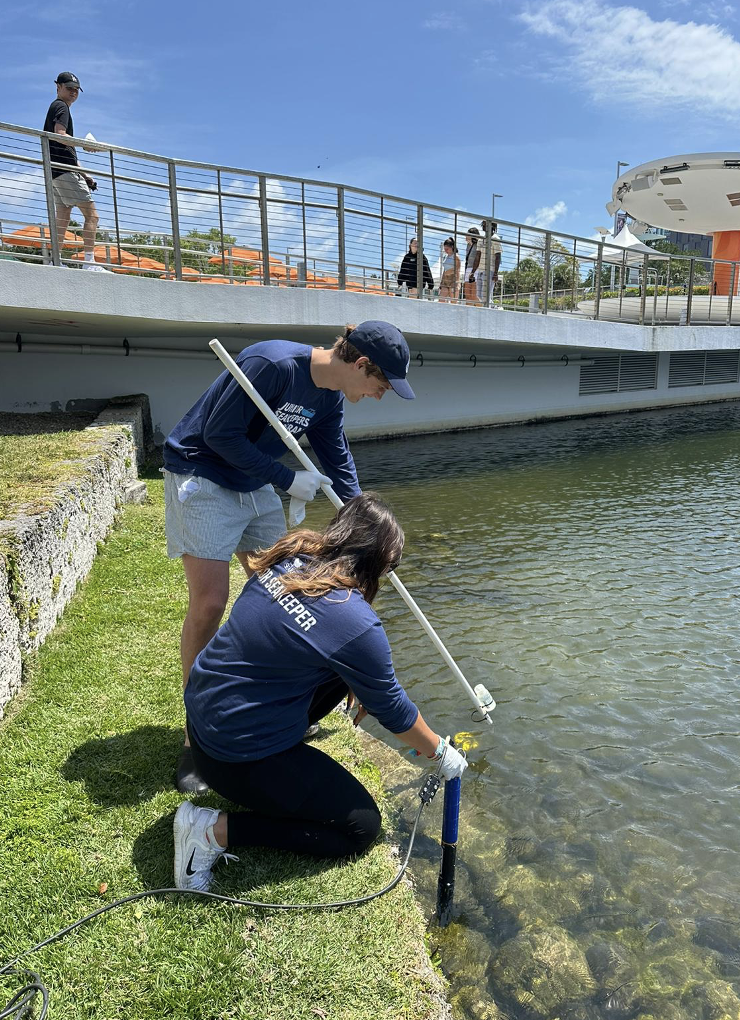
Research project conducted along South Florida's waterways in collaboration with Miami Waterkeeper and International Seakeeper Society, focusing on environmental data analysis and GIS correlation studies. This work demonstrates my ability to develop research pipelines and analyze complex environmental datasets.

JSK Research project visualization

Research Components

  • Python Data Pipelines — Developed automated systems to parse and process government septic tank databases
  • R Statistical Analysis — Used R programming for data correlation analysis and statistical modeling
  • GIS Data Integration — Correlated environmental data with geographic information systems
  • Nonprofit Collaboration — Worked with Miami Waterkeeper and International Seakeeper Society on environmental research
  • Technical Documentation — Comprehensive research paper and presentation materials

Documentation